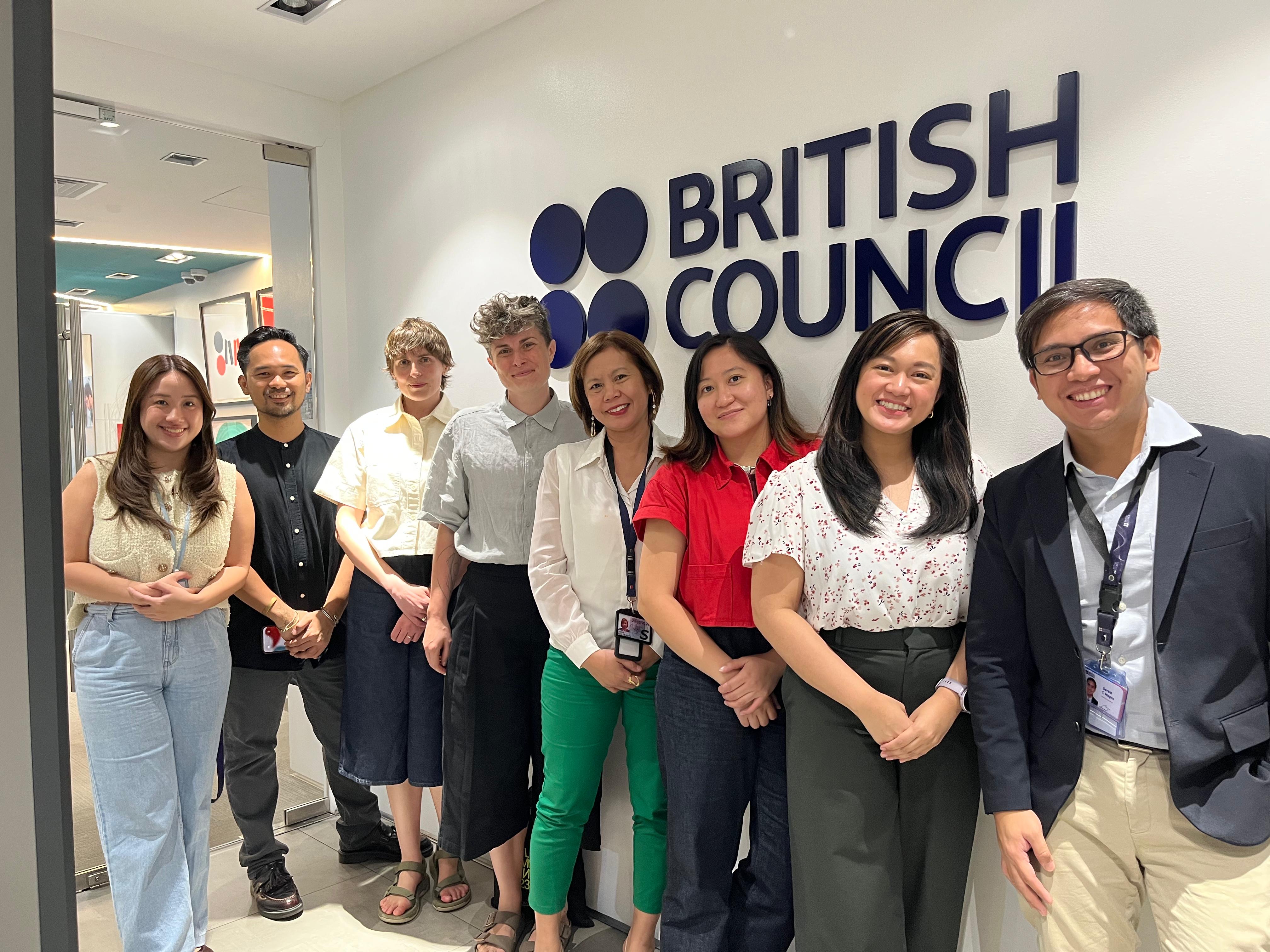
In April 2026, Leah Lovett (CASA) joined UCL colleagues Lo Marshall (Bartlett School of Architecture), Simon Lock (Science and Technology Studies) and Juliana Demartini Brito (Gender and Sexuality Studies) in Metro Manila, Philippines, to deliver Queer Community College (QCC) in collaboration with educators from University of the Philippines Diliman (UP Diliman). The group had been invited by the British Council in the Philippines under their Arts and Creative Industries remit.
QCC was founded in 2024 in partnership with Queer Circle, North Greenwich, to share queer thinking and practice with LGBTQ+ adults in a community setting. The programme invites guest educators to explore aspects of identity, spatial politics, history and futures, bringing together discursive and creative practice to think collectively and enable different modes of engagement. The London iterations of the programme operated on a drop-in basis and welcomed a diverse range of participants, including artists, activists, students and people looking for ways to connect with queer communities outside of nightlife. One of the first participants in those sessions was Andrei Nikolai Pamintuan, who took on the role of Head of Arts for the British Council in the Philippines after leaving the UK, and extended the invite to Queer Community College to reimagine the offer in collaboration with Filipino educators.
The QCC team was fortunate to partner with Roselle Pineda, Associate Dean for Research, Creative Work, Extension and Publication, College of Arts and Letters, UP Diliman. She connected us with researchers and artists, Holden Alcazaren (Speech Communications and Theatre Arts), Isola Tong (College of Arts and Letters), Charles Erize Ladia (Speech Communication and Theatre Arts), and human rights advocate, Anna Raphaela Cubacub (PANTAY), who co-designed new sessions for QCC Philippines. Over two days in the Gimenez Gallery, UP Diliman, around 30 participants joined us to bring thinking on queer politics, cultures, identities activism and creativity into a cross-cultural conversation. We asked what these concepts can offer, and importantly, what they miss? How might queer approaches shed light on ways that gender and sexuality intersect with class, race and colourism, patriarchy and the long shadow of empire in the Philippines? What resonates, and what needs to be reworked or resisted? We engaged with these questions through walks, creative workshops, talks and discussions, following a pedagogic ethos that prioritises empathy and recognises the lived experiences and expertise that everyone brings to the space.
Feedback from participants and educators highlighted how affirming and meaningful it can be for people who are minoritised in their everyday lives to gather, take up space, and make sense of their experiences through learning from and discussing research. The creative activations and contributions from grassroots organisations allowed for expansive conversations, as well as providing participants with tools to take with them into their own work, including in the spheres of education, activism, arts and culture, urban planning, and policy. A follow up meeting with the British Council of the Philippines and local activists, advocates and community organisers raised further opportunities for meaningful collaboration and knowledge exchange to support gender and sexual minorities across both contexts.
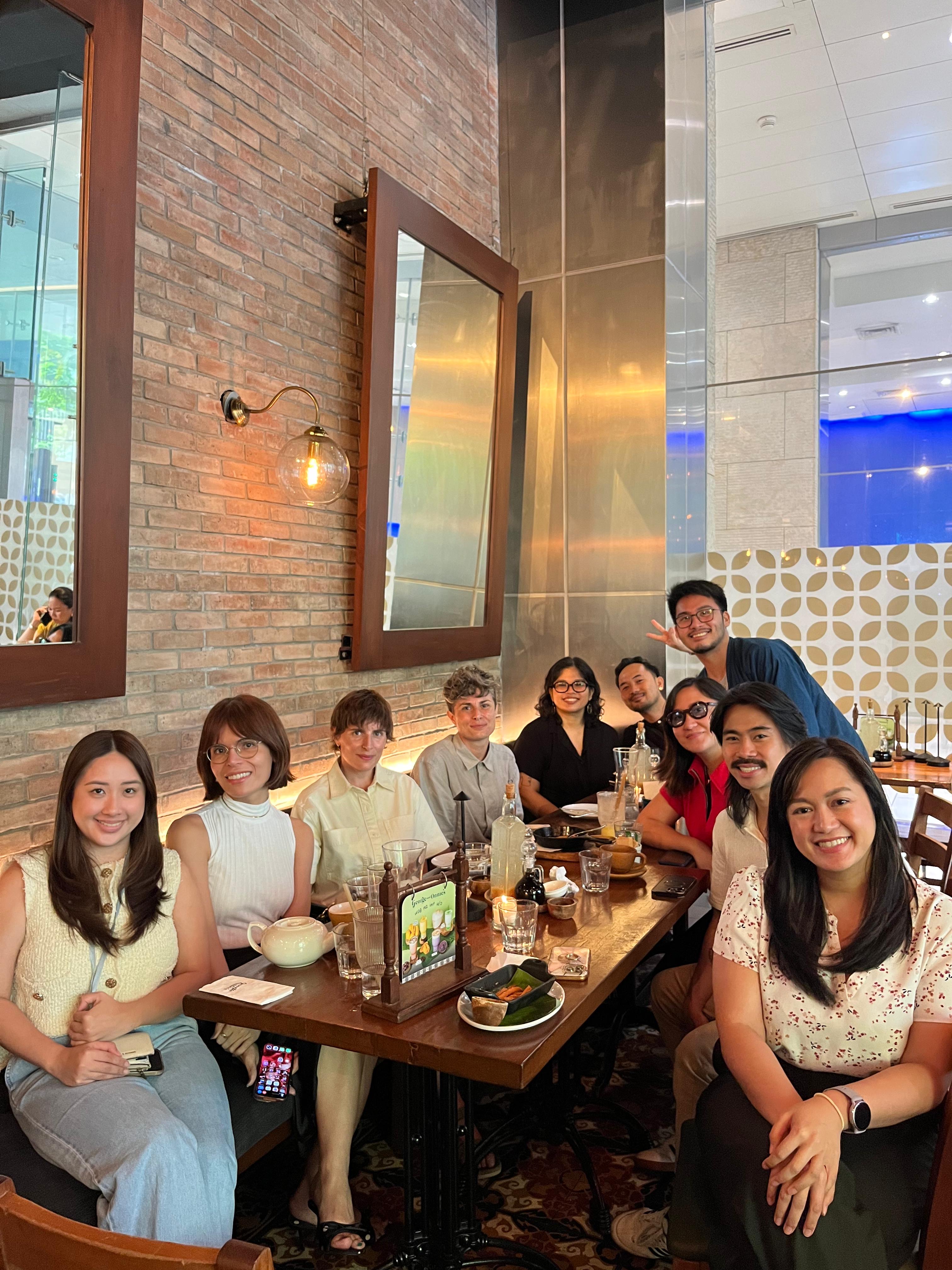 Lunch hosted by British Council in the Philippines, with Filipino LGBTQIA+ community organisers and activists, Janlee Dungca, Claire De Leon, Herson Arcega, and, Solimar De Castro, with Andrei Nikolai Pamintuan, Sari Molintas, Alyssa Flores, and Catherine Joan Violago from the British Council in the Philippines Arts and Education Teams.
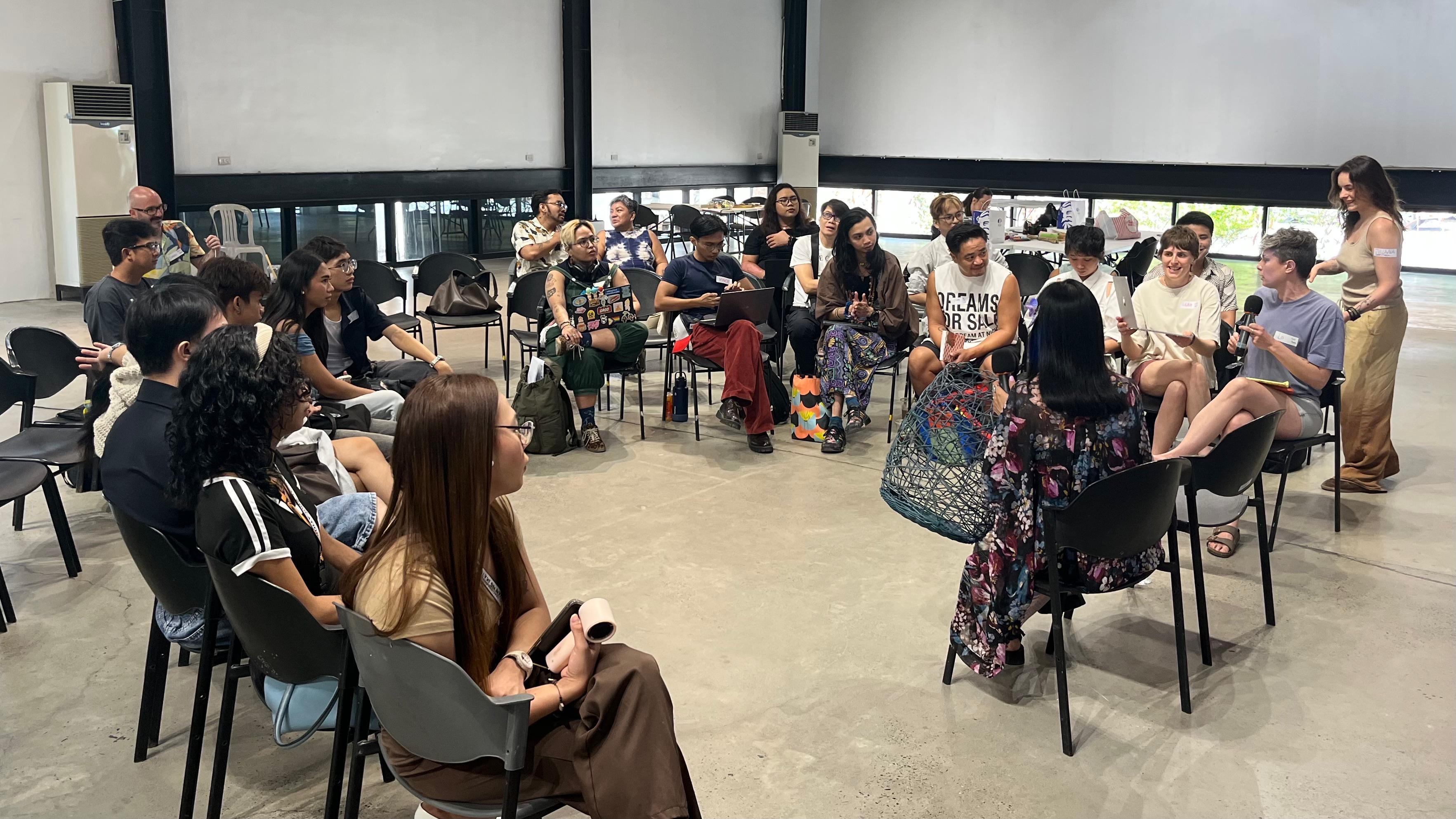 Artist, Isola Tong (University of the Philippines Diliman), sharing her practice-based research during a session co-led with Leah Lovett and Lo Marshall, which took a spatial justice approach to thinking about queerness and transness in relation to creativity, connection and care.